
How Hydraulic Power Packs Work: A Comprehensive Guide
By:Admin
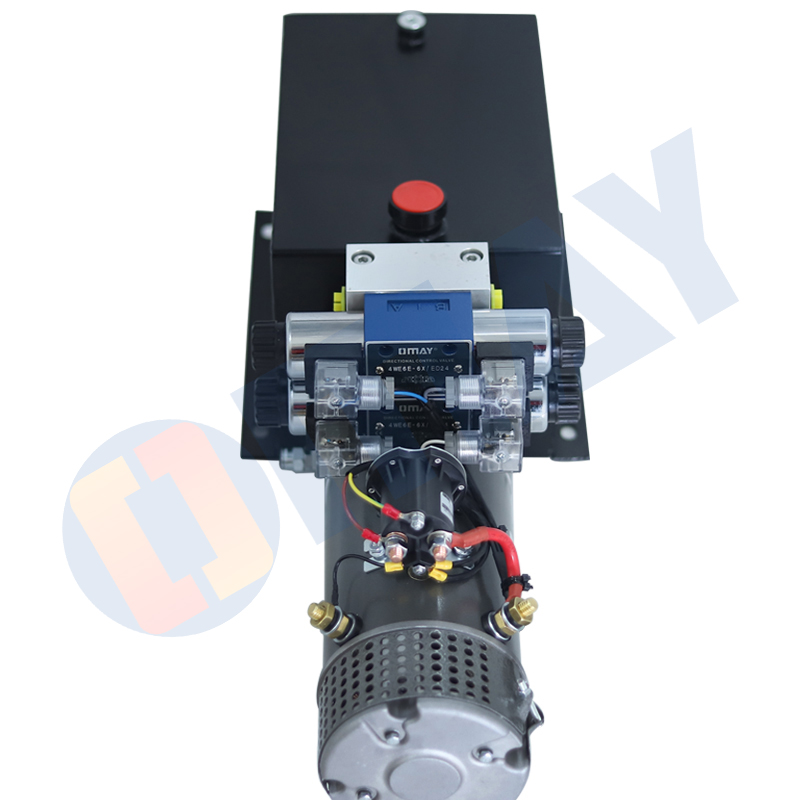
Hydraulic power packs are at the heart of modern industrial and mobile machinery, delivering reliable and efficient power for a broad range of applications. As industries continue to prioritize efficiency, safety, and precision, understanding the operational principles and advantages of hydraulic power packs becomes increasingly essential.
### What is a Hydraulic Power Pack?
A hydraulic power pack is a compact, self-contained unit that includes a power source — typically an electric motor, a hydraulic pump, a reservoir for hydraulic fluid, and a set of control valves. It converts electrical or mechanical energy into hydraulic energy, which is then used to drive hydraulic machinery and equipment.
Unlike traditional mechanical or electrical systems, hydraulic power packs offer several benefits such as high power density, precise control, and smooth operation. These qualities make them indispensable in sectors ranging from manufacturing, construction, and agriculture to automotive and aerospace industries.
### How Does a Hydraulic Power Pack Work?
The basic working principle of a hydraulic power pack involves converting mechanical energy into hydraulic energy, which is then transmitted through hydraulic fluid under pressure.
1. **Motor Activation:** The process begins when the motor, powered by electricity or other sources, starts running. This motor drives the pump.
2. **Pump Operation:** The hydraulic pump sucks the hydraulic fluid from the reservoir and pressurizes it. This pressurized fluid is the medium through which energy is transferred.
3. **Fluid Transmission:** The pressurized fluid travels through a network of pipes or hoses to the hydraulic actuator or cylinder.
4. **Energy Conversion:** At the actuator, the fluid’s energy is converted back into mechanical energy to perform work, such as lifting, pressing, or moving components.
5. **Return Flow:** After performing its function, the fluid flows back to the reservoir, ready to repeat the cycle.
This closed-loop system ensures continuous and efficient energy transfer, enabling machines to operate smoothly and reliably.
### Key Components of a Hydraulic Power Pack
- **Electric Motor:** The driving force that powers the pump. Motors vary based on application needs, ranging from single-phase to three-phase motors.
- **Hydraulic Pump:** Converts mechanical energy from the motor into hydraulic energy. Common types include gear pumps, vane pumps, and piston pumps.
- **Reservoir or Tank:** Stores hydraulic fluid and helps dissipate heat.
- **Hydraulic Fluid:** Acts as the medium to transfer energy and lubricate moving parts.
- **Control Valves:** Regulate the flow and pressure of hydraulic fluid to ensure precise operation.
- **Filters:** Maintain fluid cleanliness to avoid system damage.
### Advantages of Hydraulic Power Packs
- **Compact Design:** Hydraulic power packs consolidate the entire power system into a small footprint, saving space.
- **High Power Output:** Capable of generating significant force from a relatively compact unit.
- **Precise Control:** Easily adjustable flow rates and pressures for fine control of machinery.
- **Reliability:** Fewer moving parts compared to mechanical systems often translate to reduced maintenance.
- **Energy Efficiency:** Optimized designs reduce power consumption and operational costs.
### Applications Across Industries
Hydraulic power packs find applications in:
- **Manufacturing:** Operating presses, injection molding machines, and robotic arms.
- **Construction:** Powering lifts, excavators, and dump trucks.
- **Agriculture:** Driving hydraulic attachments like plows, harvesters, and loaders.
- **Marine and Aerospace:** Controlling landing gear, steering systems, and deck machinery.
### Company Overview
{} is a leading company specializing in the design, manufacture, and supply of hydraulic systems and power packs. With decades of experience in engineering excellence, the company has built a reputation for quality, innovation, and customer-centric solutions.
Committed to advancing hydraulic technology, {} offers tailored power pack configurations to meet unique application requirements. Their engineering teams work closely with clients across industries to deliver systems that optimize performance, enhance safety, and reduce operational costs.
With stringent quality control measures and adherence to international standards, {} ensures each hydraulic power pack meets durability and efficiency benchmarks. Their after-sales support and maintenance services guarantee prolonged equipment life and minimal downtime.
### Future Outlook
As industries continue to evolve with automation and Industry 4.0 technologies, hydraulic power packs are poised to integrate smarter controls, better diagnostics, and higher energy efficiencies. Companies like {} are investing in research and development to produce next-generation hydraulic units that align with sustainability goals and digital transformation.
In conclusion, hydraulic power packs remain a cornerstone technology in industrial modernization. Their robust design and operational versatility enable a wide array of machinery to perform demanding tasks efficiently. With expert providers such as {}, businesses can harness the full potential of hydraulic systems to drive productivity and innovation.
---
*For more detailed information about hydraulic power pack solutions, and how they can benefit your operations, contact {} today.*