
How Hydraulic Cylinders Work: A Complete Guide
By:Admin
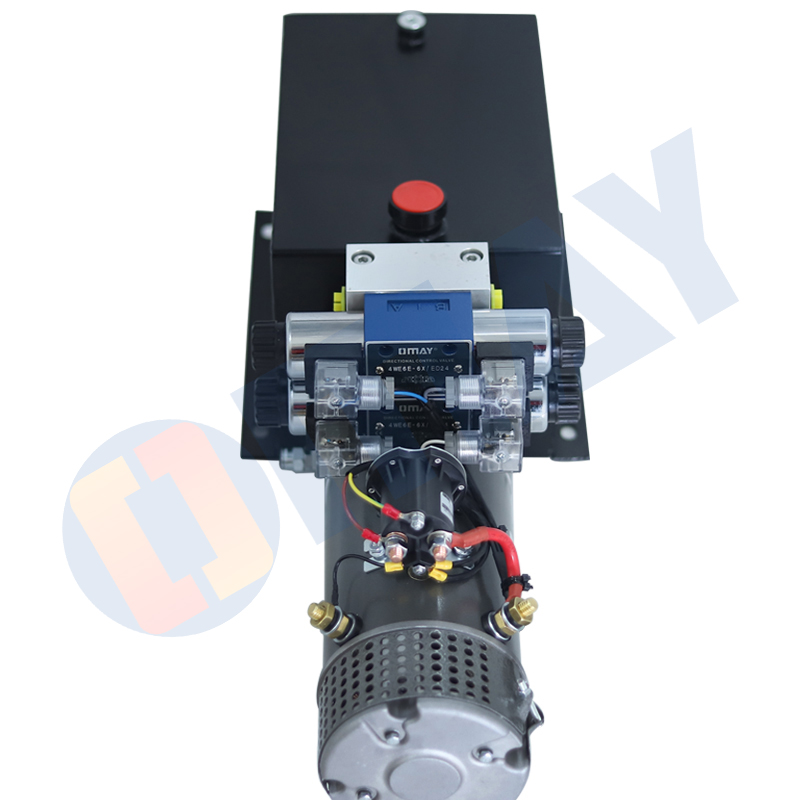
Hydraulic cylinders play a vital role in the functioning of various industrial and construction machinery, powering equipment that shapes the modern world. From heavy-duty excavators to precision manufacturing tools, these mechanical actuators convert hydraulic energy into linear motion, enabling machines to perform tasks that require strength and precision.
At its core, a hydraulic cylinder consists of a cylindrical barrel, a piston connected to a piston rod, and hydraulic fluid. When pressurized hydraulic fluid is introduced into the cylinder, it creates a force on the piston. This force moves the piston in a linear direction, extending or retracting the piston rod depending on which side of the piston the fluid is applied. This motion is harnessed to lift, push, pull, or press objects as required.
The simplicity of this mechanism belies its immense power. Hydraulic cylinders multiply the force generated by hydraulic pumps, allowing relatively small inputs to control massive loads with precision. This efficiency has made hydraulic cylinders indispensable in sectors such as construction, agriculture, manufacturing, and transportation.
### Components and Operation of a Hydraulic Cylinder
The main components of a hydraulic cylinder include:
- **Cylinder Barrel:** The main body housing the piston and fluid.
- **Piston:** A disk fitted tightly inside the barrel that divides it into two chambers.
- **Piston Rod:** Attached to the piston, it transmits the force generated.
- **Hydraulic Fluid:** Usually oil, which transmits pressure.
- **Seals:** Prevent leakage and contamination.
When hydraulic fluid is pumped into one side of the piston, it pushes the piston to extend or retract the rod. Valves control fluid direction, allowing the cylinder to move forward or backward as needed. The smoothness of the piston’s movement depends on high-quality seals and precision engineering to reduce friction and prevent leaks.
### Applications and Advantages
Hydraulic cylinders are utilized in various industrial applications due to their robust operating characteristics:
- **Construction Equipment:** Bulldozers, excavators, cranes, and loaders rely on hydraulic cylinders for lifting and maneuvering heavy loads.
- **Automotive Industry:** Hydraulic systems in car brakes, suspension, and steering use cylinders for precise control.
- **Manufacturing:** Presses and assembly line robots employ hydraulic cylinders for repetitive and high-force tasks.
- **Agriculture:** Tractors and harvesters use hydraulic cylinders to operate attachments and implements.
Their advantages include:
- **High Power-to-Size Ratio:** They can exert great force relative to their compact size.
- **Precision Control:** Easy modulation of pressure allows for smooth, controlled movements.
- **Durability:** Designed to operate under harsh conditions with minimal maintenance.
- **Safety:** Hydraulic systems include safeguards to prevent overload and ensure operator safety.
### Company Background
The design and manufacture of hydraulic cylinders require advanced engineering and quality control. Specialized companies in this field focus on producing reliable and efficient cylinders tailored to client needs. By utilizing modern manufacturing techniques such as CNC machining, rigorous testing, and high-grade materials, these companies ensure that their hydraulic cylinders meet rigorous standards for performance and durability.
Furthermore, their commitment to research and development drives innovations in reducing weight, improving sealing technologies, and enhancing the energy efficiency of hydraulic systems. This not only benefits end users with better performance but also supports environmental goals by optimizing resource usage.
### Future Trends in Hydraulic Cylinder Technology
The hydraulic industry continues to evolve, integrating digital and smart technologies to enhance functionality. Sensors embedded in hydraulic cylinders provide real-time data on pressure, temperature, and position, enabling predictive maintenance and improved operational efficiency. Advances in materials science are leading to lighter yet stronger cylinders, contributing to lower energy consumption and longer service life.
Additionally, there is a growing emphasis on environmentally friendly hydraulic fluids and systems designed for easy recycling and reduced ecological impact.
### Conclusion
Hydraulic cylinders remain a cornerstone of modern mechanical systems, delivering the force, control, and reliability required across a broad spectrum of applications. As technological advances push the boundaries of what hydraulic systems can achieve, their role in powering industrial and construction equipment only becomes more critical. Supporting industries continue to innovate, ensuring that hydraulic cylinders not only meet but exceed the demanding needs of today’s machinery users.
For businesses requiring dependable hydraulic solutions, partnering with experienced manufacturers who understand both the engineering and real-world applications of hydraulic cylinders is essential. Such collaborations drive progress, helping industries build the infrastructure and technologies of tomorrow.