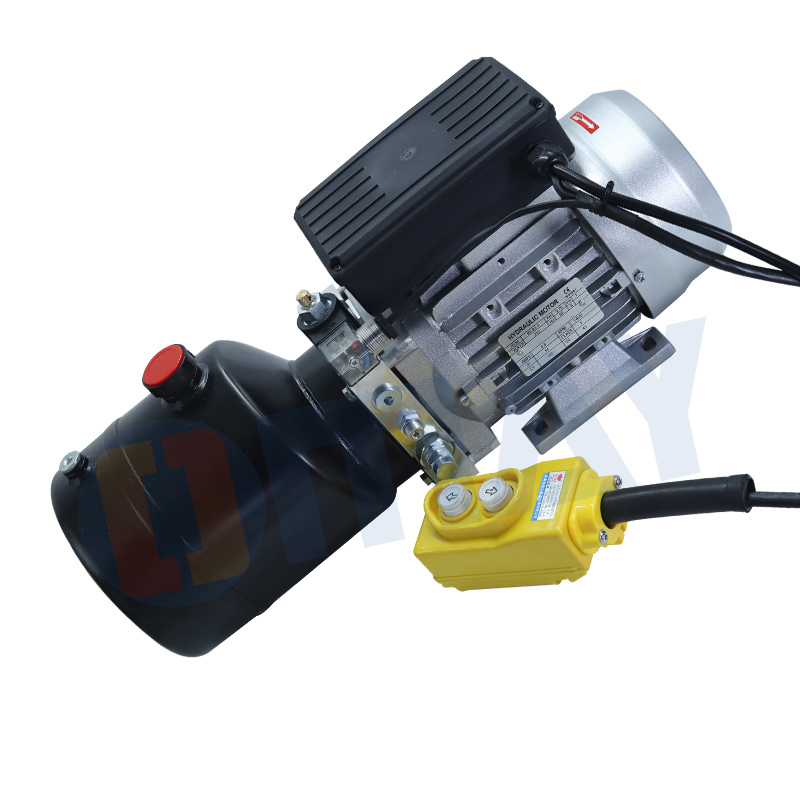
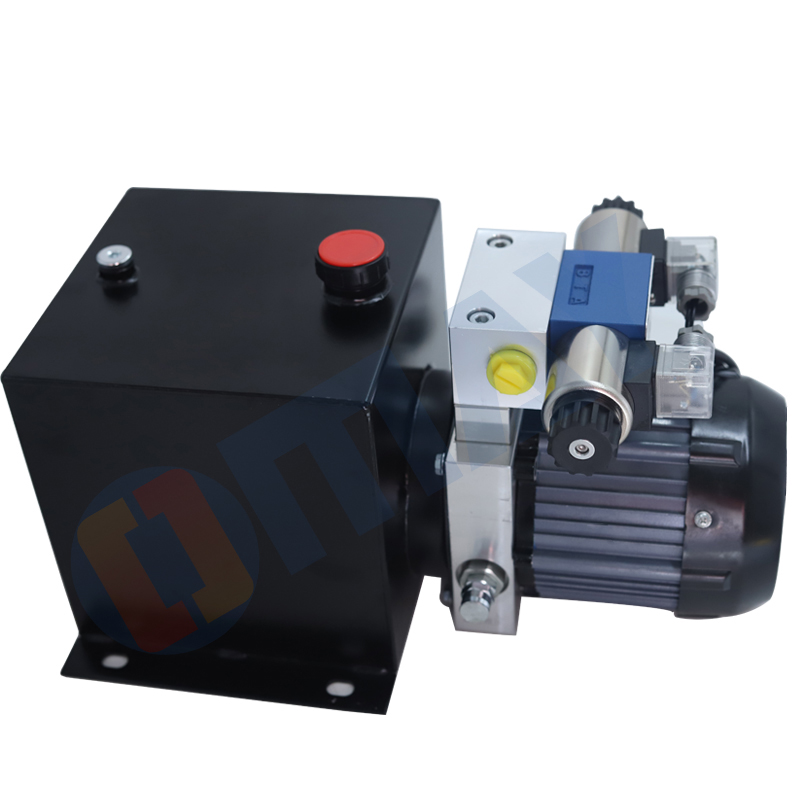
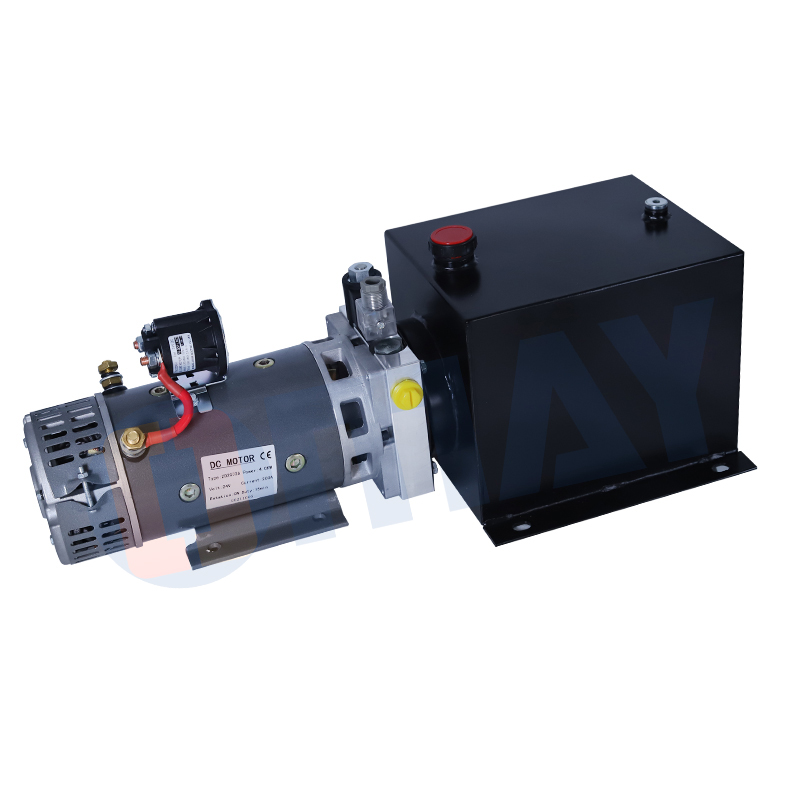
24 Volt Hydraulic Power Units for Efficient Performance

By:Admin on 2025-12-22 02:17:23

Certainly! Please provide the company introduction you'd like me to include, and if you have any specific details or points from the news content about the 24 Volt Hydraulic Power Units that should be highlighted, please share those as well. This will help me craft a comprehensive 800-word news article for you.

Read More

Gas-Powered Hydraulic Power Unit for Efficient Industrial Applications

By:Admin on 2025-12-15 02:19:00

**Innovative Hydraulic Power Unit Powered by Gas Enhances Industrial Efficiency**In a significant advancement for industrial power solutions, a new Hydraulic Power Unit (HPU) powered by gas has been introduced, promising enhanced performance, sustainability, and operational flexibility. This cutting-edge system addresses the growing demand for reliable and efficient hydraulic power in various industrial applications such as manufacturing, construction, and energy sectors.### Revolutionizing Hydraulic PowerHydraulic Power Units are critical components in numerous industries, providing the necessary pressure and flow to operate machinery, tools, and heavy equipment. Traditionally, HPUs have been powered electrically or by diesel engines. However, with increasing emphasis on reducing carbon footprints and operational costs, gas-powered hydraulic units are emerging as a preferred alternative.The newly launched Hydraulic Power Unit leveraging gas as its primary fuel source stands out by combining the advantages of clean energy with robust hydraulic performance. This technology not only reduces emissions but also enables quieter operation, lower maintenance requirements, and greater fuel efficiency compared to conventional diesel-powered units.### Features and BenefitsThis innovative gas-powered HPU boasts a modular design, simplifying installation and integration into existing systems. Its high-pressure pumps are engineered for precise control and instant responsiveness, catering to complex hydraulic demands. The unit also incorporates advanced safety features, including overload protection and automatic shutoff systems, ensuring safe operation even in strenuous environments.One of the most notable benefits of the gas-powered hydraulic unit is its environmental compatibility. Utilizing cleaner gas fuels results in significantly lower nitrogen oxides (NOx), particulate matter, and carbon monoxide emissions. This aligns with stricter environmental regulations worldwide and helps companies achieve sustainability goals.Moreover, the operational costs associated with gas-powered HPUs are substantially lower due to the abundance and relative affordability of natural gas in many regions. Additionally, the longer service intervals and reduced engine wear translate into minimized downtime and enhanced productivity for industrial operators.### Applications Across IndustriesThe versatility of the gas-powered Hydraulic Power Unit makes it suitable for a wide range of applications. In construction, the unit efficiently powers hydraulic breakers, drills, and cranes, facilitating faster project completion with less environmental impact. Manufacturing plants benefit from precise hydraulic control in automation systems and presses, ensuring consistent product quality.Energy and utilities sectors utilize such units in pipeline control, valve actuation, and maintenance operations where reliable hydraulic power is paramount. Furthermore, mobile units are ideal for remote sites lacking access to electrical power, providing independence and uninterrupted operation.### About the Company[Insert Company Introduction Here]The company behind this breakthrough hydraulic technology is a recognized leader in industrial equipment innovation, with decades of expertise in designing, manufacturing, and servicing hydraulic systems globally. Their commitment to quality, sustainability, and customer-focused solutions has cemented their reputation as a trusted partner for industries seeking advanced hydraulic capabilities.Driven by a vision to enhance operational efficiency while minimizing environmental impact, the company invests heavily in research and development. Their portfolio spans various hydraulic products and services tailored to meet the evolving needs of diverse industrial clients.### Looking AheadAs industries worldwide strive to adopt greener and more efficient technologies, the introduction of gas-powered Hydraulic Power Units marks a positive step toward sustainable industrial practices. This solution not only meets the technical demands of heavy-duty hydraulic applications but also addresses the pressing need for cleaner energy alternatives.With continued innovation and strategic deployment, gas-powered HPUs are poised to become a mainstay in hydraulic power delivery, fostering a balance between industrial growth and environmental stewardship. Companies integrating this technology can expect to benefit from increased operational reliability, reduced ecological impact, and improved cost-effectiveness.---For more information about the gas-powered Hydraulic Power Unit and other hydraulic solutions, please contact [Company’s Contact Information or Website].

Read More

How Hydraulic Cylinders Work: A Complete Guide

By:Admin on 2025-12-08 02:18:20

**Understanding Hydraulic Cylinder Working: A Key Component in Modern Machinery**Hydraulic cylinders play a vital role in the functioning of various industrial and construction machinery, powering equipment that shapes the modern world. From heavy-duty excavators to precision manufacturing tools, these mechanical actuators convert hydraulic energy into linear motion, enabling machines to perform tasks that require strength and precision.At its core, a hydraulic cylinder consists of a cylindrical barrel, a piston connected to a piston rod, and hydraulic fluid. When pressurized hydraulic fluid is introduced into the cylinder, it creates a force on the piston. This force moves the piston in a linear direction, extending or retracting the piston rod depending on which side of the piston the fluid is applied. This motion is harnessed to lift, push, pull, or press objects as required.The simplicity of this mechanism belies its immense power. Hydraulic cylinders multiply the force generated by hydraulic pumps, allowing relatively small inputs to control massive loads with precision. This efficiency has made hydraulic cylinders indispensable in sectors such as construction, agriculture, manufacturing, and transportation.### Components and Operation of a Hydraulic CylinderThe main components of a hydraulic cylinder include:- **Cylinder Barrel:** The main body housing the piston and fluid.- **Piston:** A disk fitted tightly inside the barrel that divides it into two chambers.- **Piston Rod:** Attached to the piston, it transmits the force generated.- **Hydraulic Fluid:** Usually oil, which transmits pressure.- **Seals:** Prevent leakage and contamination.When hydraulic fluid is pumped into one side of the piston, it pushes the piston to extend or retract the rod. Valves control fluid direction, allowing the cylinder to move forward or backward as needed. The smoothness of the piston’s movement depends on high-quality seals and precision engineering to reduce friction and prevent leaks.### Applications and AdvantagesHydraulic cylinders are utilized in various industrial applications due to their robust operating characteristics:- **Construction Equipment:** Bulldozers, excavators, cranes, and loaders rely on hydraulic cylinders for lifting and maneuvering heavy loads.- **Automotive Industry:** Hydraulic systems in car brakes, suspension, and steering use cylinders for precise control.- **Manufacturing:** Presses and assembly line robots employ hydraulic cylinders for repetitive and high-force tasks.- **Agriculture:** Tractors and harvesters use hydraulic cylinders to operate attachments and implements.Their advantages include:- **High Power-to-Size Ratio:** They can exert great force relative to their compact size.- **Precision Control:** Easy modulation of pressure allows for smooth, controlled movements.- **Durability:** Designed to operate under harsh conditions with minimal maintenance.- **Safety:** Hydraulic systems include safeguards to prevent overload and ensure operator safety.### Company BackgroundThe design and manufacture of hydraulic cylinders require advanced engineering and quality control. Specialized companies in this field focus on producing reliable and efficient cylinders tailored to client needs. By utilizing modern manufacturing techniques such as CNC machining, rigorous testing, and high-grade materials, these companies ensure that their hydraulic cylinders meet rigorous standards for performance and durability.Furthermore, their commitment to research and development drives innovations in reducing weight, improving sealing technologies, and enhancing the energy efficiency of hydraulic systems. This not only benefits end users with better performance but also supports environmental goals by optimizing resource usage.### Future Trends in Hydraulic Cylinder TechnologyThe hydraulic industry continues to evolve, integrating digital and smart technologies to enhance functionality. Sensors embedded in hydraulic cylinders provide real-time data on pressure, temperature, and position, enabling predictive maintenance and improved operational efficiency. Advances in materials science are leading to lighter yet stronger cylinders, contributing to lower energy consumption and longer service life.Additionally, there is a growing emphasis on environmentally friendly hydraulic fluids and systems designed for easy recycling and reduced ecological impact.### ConclusionHydraulic cylinders remain a cornerstone of modern mechanical systems, delivering the force, control, and reliability required across a broad spectrum of applications. As technological advances push the boundaries of what hydraulic systems can achieve, their role in powering industrial and construction equipment only becomes more critical. Supporting industries continue to innovate, ensuring that hydraulic cylinders not only meet but exceed the demanding needs of today’s machinery users.For businesses requiring dependable hydraulic solutions, partnering with experienced manufacturers who understand both the engineering and real-world applications of hydraulic cylinders is essential. Such collaborations drive progress, helping industries build the infrastructure and technologies of tomorrow.

Read More